Samsung's Glasses-Free 3D Display Creates Lifelike Illusion at Tokyo Game Show
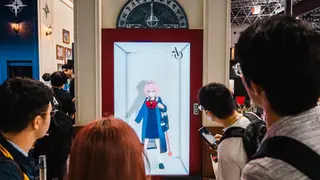
Samsung's Spatial Signage uses its patented 3D Plate technology to produce depth without glasses, making an 85-inch panel appear as a window into a game world. At Tokyo Game Show, visitors reportedly mistook the display for a physical object behind the screen. The thin panel mounts like standard signage, and Samsung plans to bring it to retail and pop-up spaces.
The display uses Samsung's patented 3D Plate technology to create depth without glasses. At Tokyo Game Show 2026, the 85-inch panel showed the RPG Astrae Oratio, with characters appearing to occupy real space. The slim panel mounts like standard signage, avoiding bulky enclosures typical of volumetric displays. Samsung plans retail and pop-up deployments, where it could replace physical props with easily updated digital content.
The technology's thin profile means setup crews can treat it like any other screen, reducing installation time at events. Retail windows could switch between campaigns as easily as updating a video file, something physical displays cannot do without full teardown.
This technology could reshape how retailers and event organizers capture attention in crowded spaces. By eliminating the need for glasses or dedicated staging, it may lower the barrier for immersive displays in everyday environments. Consumers could encounter more lifelike product presentations in storefronts, potentially influencing purchasing decisions. However, the convincing illusion may also raise questions about visual authenticity in advertising, as audiences grow accustomed to displays that blur the line between digital and physical reality.