Helping Children Cope with Fears of Global Conflict
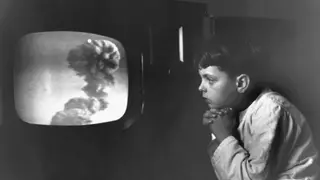
The article discusses a parent's approach to addressing children's anxieties about the possibility of war, emphasizing the need for honesty while providing reassurance. It reflects on the current geopolitical climate and the challenge of balancing realism with comfort. The author shares personal experience of his daughter's question about war.
The piece is a first-person reflection by British parent George Chesterton, recounting his daughter's direct question about war at the dinner table. He notes the UK's diminished military capacity, contrasting it with historical strength, and cites specific current tensions—Russian troop movements in the Baltic, Iranian attacks on neighbors, and China's pressure on Taiwan—as sources of anxiety. He also mentions AI as an additional existential worry.
Chesterton draws on his own childhood during the heightened Cold War tensions of the early 1980s, noting his generation faced similar fears. He emphasizes the Western privilege of roughly 80 years without direct domestic conflict, which makes the prospect of bombing feel inconceivable to his children. He advocates for teaching a rounded view of history while acknowledging the difficulty of providing honest reassurance without dismissing their fears, even resorting to ice cream as a distraction.
This story may resonate with many parents facing similar questions from children amid rising global tensions. It could influence how families discuss current events, potentially prompting more open conversations about fear and resilience. The piece may also reflect a broader societal shift, where the post-Cold War sense of security is eroding, affecting children's emotional well-being and parents' strategies for providing comfort without false reassurance.