NASA Tests Autonomous Runway and Taxiway Technologies with Boeing
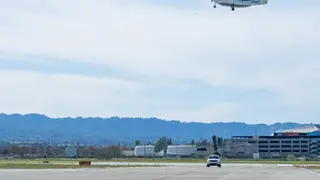
NASA and Boeing conducted field tests at Ames Research Center in March 2026 to advance digital taxi guidance and runway safety systems. The technology allowed aircraft to follow digital routes and use sensors to detect obstacles like vehicles or debris on runways, reducing pilot workload and miscommunication. Future testing will integrate these systems into simulated air traffic control environments.
The March 2026 field tests at Ames covered three distinct capabilities: digital taxi guidance delivered directly to cockpit displays, sensor-based detection of taxiway obstructions, and runway incursion alerts during landing approaches. Pilots followed autonomous digital routes while researchers monitored sensor suites that flagged vehicles and debris. The 2025 trajectory-sharing trials with United Airlines and Boeing 737 aircraft examined how frequently flight updates should be transmitted to improve arrival predictions, complementing the ground-based autonomy work.
This technology could meaningfully reduce runway incursions and miscommunication between pilots and controllers, potentially lowering accident risks at busy airports. Passengers may experience fewer tarmac delays and holding patterns as taxi operations become more efficient. However, widespread adoption depends on regulatory approval, airline investment, and integration with existing air traffic systems, so benefits may arrive gradually rather than immediately.