Black Women's Political Clout Gains Recognition in State and National Races
Black women are increasingly prominent as candidates and voters, with Georgia fielding eight Black women for statewide offices this November. Their electoral impact exceeds their population share, prompting national political figures to take notice. The trend reflects broader shifts in political engagement and representation.
Georgia's November ballot will feature eight Black women as Democratic nominees for statewide posts, a record slate. This follows Alicia Johnson's 2025 win for a utility commission seat, a historic first for a Black woman in nonjudicial statewide office. The trend extends to Congress, with two incumbents and three challengers running in House districts.
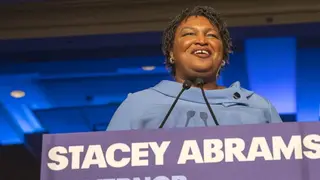
In Fulton County, Mo Ivory unseated the commission chairman in a runoff with roughly two-thirds of the vote. Data from the 2018 governor's race shows Black women were 16% of voters but gave 97% support to the Democratic nominee, a pattern repeated in 2022. Their turnout and cohesion have made them a pivotal voting bloc.
This visibility may reshape campaign strategies and policy agendas, as parties recognize the electoral weight of Black women. Their consistent turnout and high cohesion could influence how candidates address issues like economic equity, healthcare, and education. The effect may extend beyond Georgia, prompting national parties to invest more in Black women's organizing and leadership, potentially altering the balance of power in close races and broadening the scope of public discourse.