Six Modern Vampire Films That Redefine the Genre
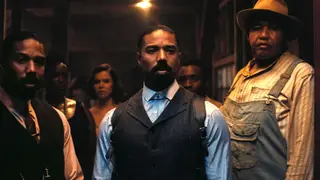
A list of six vampire movies from the past two decades highlights how filmmakers have moved beyond traditional Dracula stories. These films explore themes of loneliness, romance, and vigilante justice, set in diverse locations from Swedish suburbs to Mississippi juke joints. Each movie brings a fresh perspective to the vampire mythos, earning near-perfect status.
The article highlights how contemporary vampire cinema has moved decisively away from Gothic castle settings and aristocratic counts. Films like Ryan Coogler's *Sinners* (2025) place vampires in 1930s Mississippi, using them to examine cultural ownership and belonging, with Michael B. Jordan portraying twin brothers whose juke joint opening attracts supernatural threats. Robert Eggers' *Nosferatu* (2024) represents a more traditional approach, reimagining the classic silent film with a cast including Bill Skarsgård as Count Orlok and Lily-Rose Depp.
The piece positions these films within a broader trend of vampire stories exploring loneliness, romance, and vigilante justice across diverse settings—from Swedish suburbs to Detroit and Iranian ghost towns. The author suggests that filmmakers have found fresh angles by treating vampirism as a lens for cultural commentary rather than pure horror, with several films achieving near-perfect critical status.
This story may influence how audiences and filmmakers approach genre storytelling, suggesting that established horror mythology can still yield original material when anchored in specific cultural contexts. Readers may gain appreciation for vampire films as vehicles for social commentary rather than mere frights. The article could also shape viewing choices, directing audiences toward lesser-known international and independent productions that might otherwise be overlooked in favor of franchise horror.