Sri Lanka Easter bombing verdict brings mixed feelings for victims' families
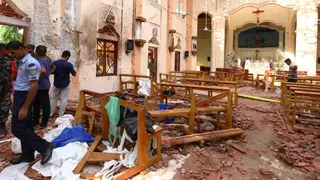
A Sri Lankan court convicted 15 men over the 2019 Easter Sunday bombings that killed 279 people. A father who lost his daughter expressed partial satisfaction, still questioning whether a political conspiracy was involved. The verdict sentenced the men to long prison terms on over 23,000 charges.
The verdict marks the culmination of a seven-year legal process, with the court imposing sentences ranging from 200 to 260 years on the convicted men. Nine suspects were acquitted, and one died during proceedings. The attacks, carried out by suicide bombers linked to ISIL, targeted three churches and three hotels, leaving 279 dead and over 500 injured.
Victims’ families, like Indika Rohan, have long awaited accountability. Beyond the convicted plotters, prior rulings ordered compensation from former officials, including ex-President Maithripala Sirisena, for intelligence failures. A 2023 whistleblower claim suggested a possible political conspiracy, a question that remains unresolved for many survivors.
This verdict could provide a measure of closure for some victims’ families, yet lingering doubts about political involvement may fuel ongoing distrust in state institutions. The case may also influence how Sri Lanka handles future terrorism prosecutions, potentially shaping public confidence in judicial accountability. However, the acquittals and unresolved conspiracy allegations could leave societal divisions unhealed, affecting communal relations and perceptions of justice among affected communities.