The Big Dipper's autumn disappearance explained
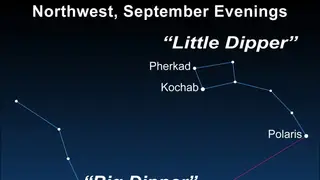
During September evenings, the Big Dipper sits low on the northern horizon, often dipping below it for viewers at mid-northern latitudes. The best chance to see it is shortly before dawn. Its two bowl stars still point toward Polaris when visible.
The Big Dipper's changing visibility stems from Earth's rotation. The entire northern sky wheels around Polaris, completing a circuit in about 23 hours and 56 minutes, which means the Dipper shifts slightly earlier each night. This gradual descent through autumn evenings explains why the pattern becomes progressively harder to spot from one week to the next.
The Dipper belongs to the constellation Ursa Major, and its two bowl stars, Dubhe and Merak, serve as pointers to Polaris, which marks the tip of the Little Dipper's handle. For observers at mid-northern latitudes, parts of the pattern may slip entirely below the horizon during evening hours, making the pre-dawn hours the most reliable viewing window.
This story could affect casual stargazers who may feel disoriented when a familiar celestial pattern seems to vanish from the evening sky. It may encourage readers to learn about the apparent motion of stars and Earth's rotation, potentially deepening public engagement with basic astronomy. The practical viewing guidance could help families plan early-morning skywatching activities, fostering a broader appreciation for seasonal changes in the night sky without requiring specialized equipment.