Traditional full moon names vary by month and season
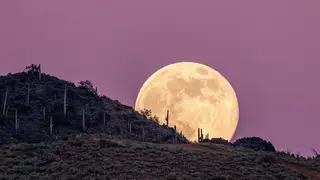
North American full moon names derive from Native American and Old English folklore, with almanacs assigning them either by calendar month or by seasonal markers like equinoxes. Both systems are equally valid and reflect regional traditions. Lists differ across cultures and regions.
The article explains that full moon naming traditions in North America blend Native American and Old English influences, with almanacs differing in whether they assign names by calendar month or by seasonal markers like equinoxes. January's Wolf Moon references winter wolf howling, while February's Snow Moon reflects heavy snowfall, with alternative names like Hunger Moon and Storm Moon capturing harsher conditions.
Regional variation is significant — the Cree use Bald Eagle Moon for February, while the Ojibwe call it Bear Moon. Some names overlap between months, such as Cold Moon appearing in both January and December traditions. The article notes that no single system is superior; both month-based and season-based approaches carry equal folkloric validity.
This story could deepen public appreciation for how lunar traditions preserve cultural heritage across generations. Readers may find personal connection to the night sky through these names, potentially increasing engagement with astronomy and seasonal observation. The acknowledgment that multiple naming systems are equally valid could encourage respect for diverse cultural perspectives, while the practical listing of names may help casual stargazers identify and anticipate full moons throughout the year.