Rural Vermont Movement Expands Beyond Land-Use Fight
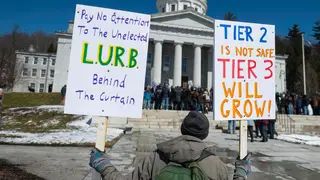
A grassroots movement in Vermont that began with opposition to land-use restrictions has evolved into a broader organization advocating for rural communities. After a partial repeal of Act 181, the group Rural Vermont Rising now serves as a forum for various rural issues and has about 18,000 members. The movement is active in the upcoming election, with candidates addressing rural concerns.
The partial repeal of Act 181 removed requirements for complex permitting reviews in designated sensitive ecosystem areas and for certain new roads and driveways, while also exempting some on-farm business ventures. This reversal came after the Democrat-controlled Legislature reconsidered parts of its own 2024 initiative, following sustained public pressure that included Statehouse protests and critical testimony.
Rural Vermont Rising has since expanded its focus beyond land-use policy. Members have rallied against a regional land use plan and prepared a policy manifesto for lawmakers to consider in January. The group's concerns now encompass demographic decline, housing affordability, and the viability of land-based industries, with candidates across the political spectrum seeking to engage these newly mobilized voters ahead of November's election.
This movement's evolution could signal a lasting shift in Vermont's political landscape, where rural constituencies increasingly organize around economic sustainability and demographic challenges rather than single-issue opposition. The group's growth may influence how state lawmakers approach land-use policy, housing development, and agricultural support in coming sessions. Other rural states facing similar population pressures could watch Vermont's experiment as a model for grassroots engagement, though the movement's long-term cohesion and policy influence remain uncertain.