Wildfire Management Needs Integrated Strategy, Experts Say
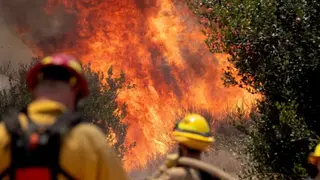
An opinion piece argues that current wildfire management strategies are fragmented, with separate camps advocating for suppression, fuel reduction, or controlled burns. The authors contend that effective response requires an integrated system of actions that reinforce each other. They call for connecting research and practice to address worsening fire seasons.
The article identifies three dominant wildfire management camps: rapid suppression, large-scale fuel reduction through logging and controlled burns, and managed fire that allows burns under safe conditions. Each operates with separate budgets, workforces, and cultures, creating silos that hinder coordination. The authors argue that no single approach suffices, citing that fuel treatments can lower fire intensity, making suppression safer and enabling more controlled burns—demonstrating where strategies reinforce rather than compete.
The piece draws on research from Colorado State University and a retired U.S. Forest Service fire ecologist, examining social, ecological, and risk-science perspectives. It notes historical persistence of suppression since the early 1900s, alongside recent policy shifts from both the Biden and Trump administrations toward increased thinning and timber production. The authors emphasize that effective strategy requires connecting research to practice, especially as fire seasons worsen.
This argument could reshape how communities and policymakers allocate fire-management funding, moving away from single-solution spending toward integrated, cross-agency programs. If adopted, it may reduce property losses and ecological damage in fire-prone regions, but implementation faces bureaucratic inertia and conflicting stakeholder interests. The piece’s emphasis on reinforcing actions could also influence public expectations, tempering demands for absolute suppression while promoting proactive fuel treatments—though political and economic pressures may slow such systemic change.