Hong Kong caps foreign elderly-care worker intake at 'few hundred' per year
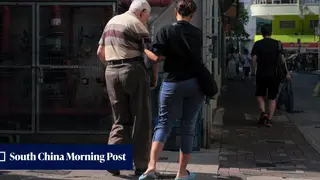
Hong Kong's welfare minister announced that the city will admit only a few hundred skilled foreign domestic carers for the elderly each year under a new pilot scheme. The program will require applicants to have skills equivalent to local care home health workers, and a recognized organization will accredit training from their home countries. The minister emphasized a rigorous initial phase to address concerns about disrupting the existing helper market.
The pilot scheme represents a tightly controlled entry point for foreign care workers, with the annual cap set deliberately low to test the program's viability. Minister Chris Sun indicated that applicants must demonstrate professional competencies matching those of health workers already employed in Hong Kong's residential care facilities for the elderly. To verify these qualifications, authorities plan to enlist a locally recognized accreditation body to assess training programs offered by institutions in the workers' home countries.
The announcement follows public feedback that was divided on the proposal, with some welcoming additional care capacity while others worried about effects on the established domestic helper sector. Sun's emphasis on a cautious, rigorous rollout suggests the government intends to monitor the scheme closely before considering any expansion of intake numbers.
This pilot could reshape Hong Kong's elder-care landscape by introducing a new tier of skilled foreign workers alongside the existing domestic helper system. Existing helpers may face increased competition or pressure to upgrade their qualifications, while care homes could gain access to trained staff at potentially different wage levels. Families and elderly residents may benefit from improved care options, though the limited annual intake means any impact will likely be gradual and measured.