Maine Lobstermen Clash with Industrial Salmon Farms Over Water Health
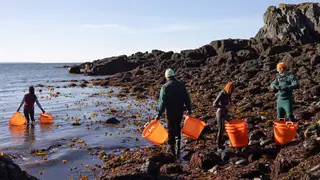
Lobstermen in Maine say industrial salmon farms are polluting waters and damaging gear, threatening a centuries-old fishing tradition. The community is pushing for local control over aquaculture leases, while the largest operator, Cooke Aquaculture, faces a lawsuit over alleged environmental harm.
Cooke Aquaculture, headquartered in Saint John, New Brunswick, operates 24 active lease sites along Maine's coastline, plus inland hatcheries and a processing facility, with a global footprint spanning 16 countries. Maine's aquaculture sector overall contributed over $200 million to the state's economy in 2023, according to the Maine Aquaculture Association. State regulations explicitly prohibit aquaculture sites from harming sensitive ecosystems or interfering with active fisheries.
In response to alleged violations, the Conservation Law Foundation filed a federal lawsuit in January 2025, claiming Clean Water Act breaches and damage to fishing and tourism. Meanwhile, towns like Beals Island are seeking greater local authority over aquaculture leases. The article also notes Maine hosts roughly 215 aquaculture operations, including seaweed beds, indicating a diverse industry beyond just salmon.
This clash could reshape Maine's coastal economy, pitting a $200 million aquaculture sector against a centuries-old lobster fishery. If local control expands or the lawsuit succeeds, it may force stricter environmental standards, potentially raising seafood costs or reducing salmon production. Conversely, inaction could erode trust in regulators and harm wild fisheries. The outcome may serve as a precedent for other coastal regions balancing industrial food production with ecological preservation and traditional livelihoods.