Panama Proposes UN Treaty to Grant Nature Legal Rights
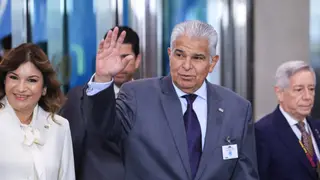
Panama's president used his UN address to call for a global treaty recognizing nature's inherent rights. The proposal would open intergovernmental negotiations under the UN's Harmony with Nature program, with a target of a draft declaration by 2030. The effort builds on Panama's own national rights-of-nature laws.
The proposal builds on Panama's domestic legislation, including a 2022 rights-of-nature law and a 2023 statute granting sea turtles the right to free passage in a healthy environment. Marine biologist Callie Veelenturf, who advised on both laws, is supporting the UN initiative through her foundation.
The 2010 Universal Declaration on the Rights of Mother Earth, drafted by Indigenous peoples and environmental advocates, offers a template. Over a dozen countries, including Spain, Ecuador, Bangladesh, and New Zealand, already recognize nature's legal rights through national laws or court rulings. Panama's environment minister frames the effort as combining scientific reasoning with ethical obligation.
A non-binding UN declaration on nature's rights could reshape how governments frame environmental legislation, potentially influencing future binding treaties and domestic court rulings. Nations with existing rights-of-nature laws may gain diplomatic momentum, while developing countries could see new frameworks for balancing economic development against ecological protection. The 2030 timeline means impacts would unfold gradually, affecting policymakers, Indigenous communities, and environmental advocates most directly.