UK electric car running costs fall to a ninth of petrol as fossil fuel prices soar
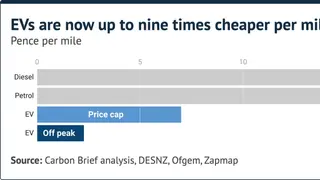
New analysis finds that UK electric vehicle running costs have dropped to as low as 2.3 pence per mile on off-peak tariffs, compared with over 20 pence for petrol or diesel cars. The gap has widened due to a 38% rise in diesel prices and 31% increase in petrol since February, driven by oil prices above $100 per barrel amid Middle East conflicts. Even at standard domestic electricity rates, EVs remain about three times cheaper to drive than fossil-fuel vehicles.
The surge in fossil fuel costs stems from geopolitical tensions, including US strikes on Iran and attacks on Russian refineries, pushing oil above $100 per barrel. This has driven diesel to £1.96 and petrol to £1.72 per litre. Off-peak EV charging costs just 2.3p per mile, versus roughly 20p for combustion engines. Even standard domestic rates keep EV running costs near 7p per mile.
Despite these savings, petrol cars still dominate UK roads at 55% of the fleet, while battery EVs hold just 6%. New EV sales reached 30% in August, up from 26.5% a year earlier. Home-charging drivers could save about £1,200 annually. A planned 20% rise in electricity unit rates in January 2027 will narrow the gap slightly, but EVs will remain far cheaper to operate.
The widening cost gap could accelerate the UK's transition to electric vehicles, particularly for drivers with access to home charging and off-peak tariffs. However, those relying on public charging or standard rates may see smaller benefits, and the upcoming electricity price rise could temper some enthusiasm. This shift may also influence used-car markets and fuel poverty dynamics, as lower-income households often drive older, less efficient petrol cars. The impact on overall emissions could be positive, but infrastructure gaps remain a key variable.