Federal Judge Blocks Trump's Press Ban as Legal Defense Weakens
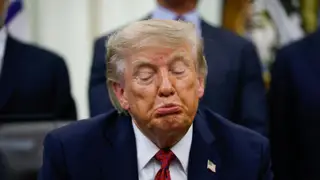
A federal court issued a temporary restraining order halting the White House's ban on news organizations, including CNN, Politico, and MS Now. The Trump administration's legal response, citing national security, was widely criticized by legal experts as flimsy. The episode highlights growing institutional resistance to the president's actions as his influence wanes.
The temporary restraining order followed a lawsuit by the three outlets challenging their exclusion. The administration's filing claimed the White House is the president's private domain and that press access is a discretionary privilege, not a protected right. Legal observers dismantled these assertions, noting the White House is publicly owned and press access operates under established procedural norms.
Trump's fixation on CNN drew attention, including his public confrontation with reporter Kaitlan Collins. The administration cited continued coverage of Trump's UN speech as evidence of media submission, a claim critics called childish and self-defeating. The episode underscores how traditional White House press access has diminished in value, even as the fight over it intensifies.
This ruling could signal a broader pattern of courts checking executive overreach as presidential authority faces mounting challenges. News organizations may find temporary relief, but the underlying tension between press access and executive discretion is likely to persist. The episode may embolden other institutions to resist administration actions, while also highlighting how press freedom protections depend on judicial willingness to enforce them. Audiences and journalists alike could see this as a marker of shifting power dynamics.