El Niño sets new record for Pacific sea surface temperature anomaly
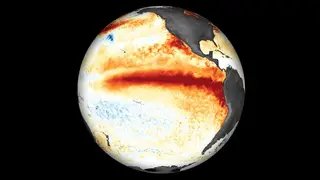
The Oceanic Niño Index shows sea surface temperatures in the central and eastern equatorial Pacific reached 3.08°C above the 1991-2020 average on September 21, surpassing the previous record of 3.02°C from November 2015. Scientists expect the event to intensify further in coming months. The phenomenon is linked to extreme weather worldwide.
The record-breaking daily anomaly of 3.08°C above the 1991–2020 baseline occurred on September 21, surpassing the previous daily high of 3.02°C set in November 2015. However, NOAA’s official strength metric uses a three-month rolling average and a newer Relative Oceanic Niño Index, under which the current event still trails the 1997–1998 El Niño. Forecasters expect the peak to arrive within the next few months, potentially breaking that record as well. Scientists note that the role of human-caused climate change in amplifying this event remains unresolved, though the phenomenon’s heat release could raise global land temperatures by about 1.2°C and contribute to over 450,000 additional heat-related deaths by February 2027.
This event could intensify extreme weather patterns worldwide, affecting agriculture, water supplies, and public health in vulnerable regions. The projected rise in global land temperatures may strain healthcare systems, especially in low-income areas lacking heat adaptation infrastructure. While natural variability drives El Niño, its unprecedented intensity—potentially linked to a warming climate—may heighten risks of droughts, floods, and storms, prompting governments to prepare for cascading economic and humanitarian impacts.