Visual cortex regions use consensus-building to create unified perception, study shows
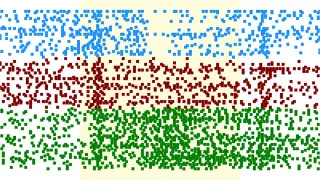
Researchers studying two neighboring visual cortex regions found that matching activity patterns persist while conflicting signals quickly fade. This 'consensus building' mechanism may explain how the brain integrates specialized inputs into a coherent view. The findings were published in Nature Neuroscience.
The research team built artificial neural network models of the V1-LM circuit after observing how each region behaved when the other was temporarily silenced in mice. This modeling approach let them predict neural responses to various visual stimuli and test what happens when specific neurons are altered.
The study's scope was limited to two visual processing areas, but Javadzadeh's team is now exploring whether consensus building operates across the broader neocortex. If confirmed, the mechanism could help explain how the brain reconciles conflicting sensory information beyond vision, such as when what we see contradicts what we hear.
This research could reshape understanding of perceptual disorders where the brain fails to integrate sensory information coherently. Conditions involving visual hallucinations or sensory processing difficulties may eventually benefit from therapies targeting consensus-building circuits. The findings may also inform artificial intelligence systems that must reconcile conflicting inputs from multiple sensors, though clinical applications remain distant. Society could gain better treatments for neurological conditions affecting perception, but further research across brain regions is needed before such possibilities materialize.