Didcot Gas Leak: Rail Operators Extend Travel Ban as Repairs Continue
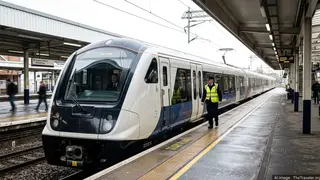
A gas leak near Didcot Parkway forced the closure of a key rail corridor between Reading and Swindon, triggering a 'do not travel' warning for services to London, South Wales and the West Country. Engineers are still working on repairs, and while some lines have reopened, operators warn of continued cancellations and crowding. Passengers are advised to check real-time updates and expect longer journeys.
The incident began on the evening of 22 September when a significant gas leak was detected near railway land at Didcot Parkway. A safety exclusion zone forced the complete closure of the Reading-Swindon corridor, severing a vital link for intercity and commuter services. Trains to London Paddington, South Wales, the Cotswolds, and the West Country were either cancelled, diverted, or ran at reduced frequency, with some early morning commuter services removed entirely.
The 'do not travel' advisory, reserved for situations where reliable alternatives are absent, specifically targeted journeys between Reading, Didcot, and Swindon on 23 September. Many commuters switched to working from home, long-distance coaches, or drove to stations outside the affected zone. Operators acknowledged that some passengers with time-sensitive needs still required clear information. By 24 September, repairs continued, with limited line reopenings but persistent cancellations and crowding on alternative services.
This disruption could have ripple effects beyond immediate delays. Commuters and business travelers may face lost productivity and missed appointments, while leisure passengers might reconsider rail travel for non-essential trips. The extended closure could strain alternative transport networks, increasing road congestion and coach demand. For regular users of the Great Western line, such incidents may erode confidence in rail reliability, potentially influencing future travel choices and prompting calls for better infrastructure resilience.