Poll worker recruitment ramps up as states set eligibility rules for November election
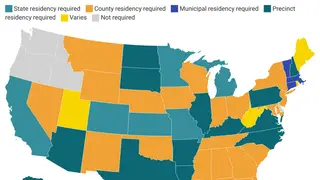
With the November 3 general election approaching, states are actively seeking poll workers for Election Day and early voting. Requirements vary by state, including voter registration, residency, training, and pay, with most states mandating some form of training and compensation. Forty-two states require poll workers to be registered voters, and 45 impose residency conditions.
Poll worker eligibility varies widely across the U.S., with 42 states requiring voter registration and 45 imposing residency rules that range from state-level to precinct-level. Training is mandatory in 44 states, and compensation is required in 48, though rates differ—some states set minimum wage floors, others specify base pay in statute, and a few leave amounts unspecified. New Hampshire and Washington lack statewide pay mandates. This year, 11 states enacted 14 bills affecting election workers, including Idaho’s novel law allowing poll workers to substitute for jury duty when shortages exist, with no pay for that service.
The November 3 election will rely on these workers for early voting and Election Day tasks such as checking in voters and handling ballots. States are actively recruiting to fill positions, with some residency exceptions allowed during shortages. The data reflects a patchwork of rules, but the common thread is the need for trained, compensated staff to keep polling places operational.
The recruitment push could shape voter confidence and turnout, as adequate staffing reduces long lines and procedural errors. Communities with strict residency or registration rules may face shortages, potentially disenfranchising voters in rural or transient areas. Pay disparities might deter some applicants, while Idaho’s jury-duty alternative could shift civic participation patterns. Overall, these requirements may influence how smoothly the election runs and whether all eligible citizens can cast ballots without undue burden.