Icarus Robotics Validates Free-Flying Robot in Microgravity Tests
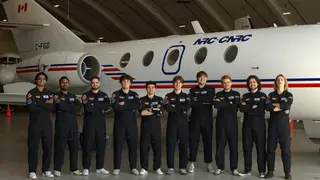
Icarus Robotics conducted parabolic flight tests of its free-flying robot Joy in Canada, accumulating 22 minutes of microgravity operations. The tests verified Joy's flight controller, sensor suite, and manipulation capabilities. The robot is scheduled for a 2027 demonstration on the International Space Station.
The parabolic flight campaign, conducted in Canada due to a gap in U.S. microgravity testing options, gave Icarus engineers hands-on rehearsal of mission procedures beyond hardware validation. Joy’s onboard flight controller and manipulators were exercised across 22 minutes of reduced gravity, with crew coordination and safety protocols also practiced. The company’s January handoff to NASA positions the robot for its orbital debut, though the ISS demonstration remains two years away. Icarus frames Joy as a precursor to autonomous robotic maintenance of future orbital infrastructure, including data centers and lunar assembly tasks.
This milestone could signal a shift in how space robotics are validated, as commercial operators face limited domestic testing venues. If Joy succeeds on the ISS, it may accelerate adoption of free-flying manipulator robots for satellite servicing and orbital construction, potentially lowering costs for future space stations. However, reliance on foreign test facilities highlights a U.S. infrastructure gap that could slow innovation unless domestic parabolic flight options mature. Near-term, the technology’s impact remains confined to niche missions, but broader societal benefits—such as safer orbital operations—may emerge within a decade.