Far-Right Hostility Puts Maritime Rescue Duty at Risk
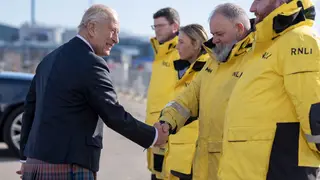
British lifeboat volunteers face hostility for rescuing migrants attempting to cross the Channel, with some attacks reported. The U.S. military has also attacked vessels in the Caribbean and Pacific, raising concerns about the long-standing duty to rescue those in peril at sea. The article argues that far-right political pressure is eroding this maritime obligation.
The 1910 Brussels Convention first codified the duty to assist those in peril at sea, though it focused primarily on vessels rather than individuals. The Titanic disaster of 1912, and the Carpathia's daring rescue of 705 survivors, prompted the 1914 SOLAS Convention, which formalized the obligation to save lives regardless of circumstance.
Today, the RNLI continues this tradition by rescuing migrants crossing the Channel, but faces public backlash and even physical attacks. Meanwhile, U.S. military operations against suspected drug vessels in the Caribbean and Pacific have resulted in attacks on boats, raising questions about whether the long-standing maritime rescue obligation is being eroded by political pressures.
The erosion of maritime rescue obligations could have far-reaching consequences for vulnerable people at sea, including migrants and those on unseaworthy vessels. If political pressure continues to discourage rescue operations, lives may be lost that could otherwise have been saved. The tension between border enforcement and humanitarian duty may reshape how nations interpret their legal and moral obligations, potentially affecting international maritime law and the safety of all who travel by sea.