CDC Data Reveal Florida's Outsized Share of Acute Hepatitis C Cases
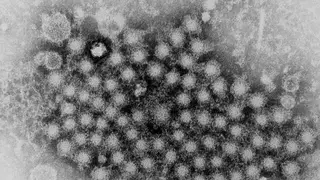
CDC surveillance data show Florida has reported 1,018 confirmed acute hepatitis C cases so far in 2026, representing roughly 43% of the national total of 2,358. The state's share far exceeds its 6.5% population proportion, with injection drug use tied to the opioid crisis cited as the main transmission route. Many acute infections go unnoticed and can progress to chronic liver disease.
The 2026 surveillance figures continue a pattern documented in state health data, which shows Florida's prevalence rate near the national average despite its elevated acute case counts. The demographic profile is notable: men constitute roughly 69% of prevalent infections, while adults aged 50 to 74 account for over 72%, reflecting the pre-1992 blood transfusion era. Younger adults under 30 also contribute meaningfully, tied to injection drug use trends.
Florida's surveillance infrastructure may partially explain the high numbers, though research indicates screening remains uneven, concentrated in northern regions with socioeconomic disparities. The state maintains county-level investigators and CDC-funded testing initiatives, which likely surface more cases than jurisdictions with less aggressive detection efforts.
The disproportionate case burden could strain Florida's public health resources and healthcare systems, particularly given that many acute infections progress silently to chronic liver disease requiring long-term management. Younger adults affected through injection drug use may face decades of health complications, while the state's aging population with historical exposures adds further pressure. Without expanded screening and treatment access, the gap between detected and undetected infections may persist, potentially affecting morbidity and mortality outcomes across affected communities.