Trump's UN Remarks on Iran: Key Takeaways
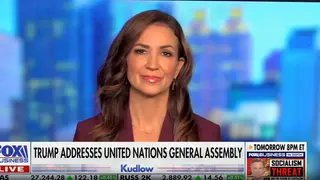
President Trump delivered a speech on Iran during the United Nations General Assembly. The address likely outlined US policy on Iran's nuclear program and regional conduct. The article provides analysis of the speech's content and diplomatic implications.
President Trump’s address to the United Nations General Assembly focused on Iran, with the summary indicating the speech outlined U.S. policy on Tehran’s nuclear program and regional behavior. Such addresses typically serve as a formal platform for signaling diplomatic priorities to the international community, often preceding bilateral meetings or sanctions decisions. The speech’s analysis will likely examine how the administration frames its stance—whether emphasizing pressure, negotiation, or containment—and how that aligns with allies’ positions. Given the thin source material, this report is best understood within the broader context of recurring U.S.-Iran tensions, where UN speeches frequently reflect shifting strategic postures without immediate policy changes.
This story may affect global audiences, particularly policymakers, diplomats, and citizens in nations with stakes in Middle East stability. The speech could shape market expectations around oil prices or sanctions, and may influence allied governments’ own diplomatic approaches to Iran. For ordinary readers, the coverage might reinforce perceptions of U.S. foreign policy direction, but its practical impact depends on follow-up actions—such as new resolutions or negotiations. The analysis could also inform public debate on nuclear nonproliferation, though its immediate societal effect is likely limited to expert circles and political observers.