Connecting the AI Competition and Iran Diplomacy
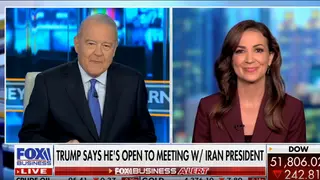
The piece explores how the US-China artificial intelligence rivalry intersects with diplomatic efforts toward Iran. It suggests that technological competition influences broader foreign policy decisions. The analysis highlights the interconnected nature of these strategic challenges.
The reported analysis frames artificial intelligence as a factor that now shapes strategic calculations beyond the technology sector itself. By linking the US-China AI rivalry to diplomatic approaches toward Iran, the piece suggests that great-power competition in emerging technologies carries spillover effects into other foreign policy arenas. This reflects a broader trend in international relations where technological leadership is increasingly viewed as inseparable from national security and geopolitical influence. The interconnected nature of these challenges implies that policymakers must weigh multiple strategic fronts simultaneously, as decisions in one area may carry consequences for another. The story positions AI competition not as an isolated domain but as a lens through which wider diplomatic priorities are being reconsidered.
This story could affect policymakers and analysts who track how technological rivalry reshapes traditional diplomacy. If AI competition increasingly influences decisions on issues like Iran, it may complicate multilateral negotiations, as allies and adversaries alike recalibrate their positions based on perceived technological leverage. The public could see foreign policy framed more through a lens of strategic competition, potentially shifting attention from humanitarian or regional concerns. However, the actual impact remains uncertain, as such linkages are often asserted more than demonstrated in practice.