Glen Canyon Dam: Administration Skips Environmental Releases to Maximize Power Output
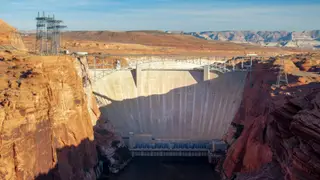
The Trump administration declined to release water from Glen Canyon Dam for ecological and recreational purposes, even though scientific thresholds were met, citing hydropower generation concerns under its energy agenda. The decision means no cold-water releases to aid the threatened humpback chub and no high-volume flows to rebuild eroded beaches in the Grand Canyon. Scientists say the management assumptions based on full reservoirs are outdated as Lake Powell and Lake Mead remain at about a quarter of capacity.
The Bureau of Reclamation's decision affects two distinct ecological functions of the dam. Cold-water releases from deep Lake Powell would have aided the threatened humpback chub, while high-volume sediment-moving flows would have rebuilt eroding sandbars and beaches that serve as habitat, campsite locations, and archaeological protection. Neither action changes annual water volume, only timing.
The dam, operating for 63 years near the Arizona-Utah border, now functions under conditions its designers never anticipated. With both Lake Powell and Lake Mead at roughly a quarter capacity, scientist Jack Schmidt notes that management frameworks built around full reservoirs no longer apply. Sediment now arrives primarily from the Paria and Little Colorado rivers downstream of the dam, and no high-flow release has occurred since 2023.
This decision may affect river recreation, endangered species protection, and archaeological preservation in the Grand Canyon over the coming years. Boaters could lose campsites as beaches erode, and the humpback chub's recovery may stall without cold-water pulses. The tradeoff between hydropower output and ecological health could become a recurring pattern as reservoir levels remain low, potentially reshaping how federal agencies prioritize competing uses of the Colorado River.