Emergency Docket Overtakes Regular Arguments at Supreme Court
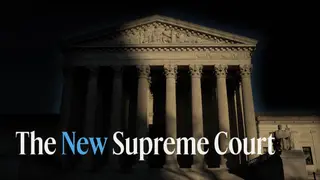
An analysis of Supreme Court records shows that in the term ending in 2025, the justices issued more substantive decisions on the emergency docket than in argued cases. This is likely the first time in modern history. Recent shadow docket rulings include allowing White House construction, blocking a Missouri redistricting, and stopping postal regulations on mail-in voting.
The Supreme Court's emergency docket, historically reserved for urgent time-sensitive matters, has expanded dramatically in recent terms. In the term ending 2025, the justices issued more substantive rulings through this fast-tracked process than through traditional argued cases—a shift experts say is unprecedented in modern court history. These shadow docket decisions typically arrive unsigned, without explanation of reasoning or recorded vote tallies.
Since July, every ruling the court has issued came through this emergency process, including decisions on White House construction, Missouri's congressional redistricting, and postal service regulations affecting mail-in voting. The court's new term begins October 5, when regular arguments resume. President Trump has publicly criticized the court, including his own nominees, over recent shadow docket outcomes.
This shift toward shadow docket decision-making could significantly affect public perception of judicial legitimacy, as citizens face consequential rulings without the transparency of oral arguments or written opinions. Voters, election administrators, and state governments may find themselves navigating rapidly changing legal landscapes with little advance notice. The trend could also reshape how litigants approach the court, potentially prioritizing emergency filings over traditional appeals, while raising broader questions about accountability in a branch designed to operate deliberately rather than reactively.