Thailand sets 2050 goal for $80B chip investment and 230,000 jobs
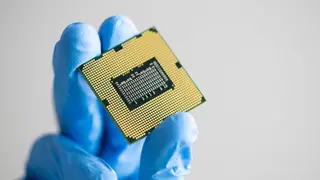
Thailand announced a national strategy targeting $80 billion in semiconductor investment by 2050, aiming to create 230,000 jobs and generate $50 billion in annual revenue. The plan, outlined by Deputy Prime Minister Ekniti Nitithanprapas, includes tax incentives, regulatory reforms, and phased development from packaging to wafer fabrication. The strategy focuses on photonics, power semiconductors, and sensors as priority areas.
Thailand’s plan unfolds in three stages, with packaging and testing strengthened by 2030 before moving into chip design and wafer fabrication by 2040. The government has already approved 879 semiconductor and advanced electronics projects worth $27.2 billion since 2023, signaling early momentum. Priority areas include photonics for AI and data centers, power semiconductors for EVs and grids, and sensors for automotive and medical uses. Infineon Technologies, a global leader in power chips, opens its first Thai factory in Samut Prakan on October 1, underscoring the country’s appeal to major players.
The strategy leans on tax breaks, regulatory easing, and workforce training to attract anchor investors. Thailand’s existing chip industry is largely assembly-focused, so the shift toward higher-value segments like wafer fabrication represents a significant industrial upgrade. The phased approach aims to reduce reliance on imported chips and build a self-sufficient supply chain by mid-century.
This long-term investment push could reshape Thailand’s economy, potentially lifting its position in the global tech supply chain and creating hundreds of thousands of skilled jobs. Workers and local suppliers may benefit from expanded training and infrastructure, while multinational firms gain a stable regional hub. However, success depends on sustained government commitment and global demand shifts; if execution falters, the promised revenue and employment gains may not materialize, leaving Thailand exposed to competitive pressures from larger chip-making nations.