Starlink Satellites Face Ten Close Approaches, Three Reentries Expected
The latest SOCRATES list includes ten Starlink-involved conjunctions, none at high risk, though two entries have suspect probability data. Three Starlink satellites are currently tracked for reentry through September 26. The constellation remains at 11,154 satellites in orbit with 11,139 operational.
The SOCRATES screening list flagged ten close-approach events involving Starlink hardware, though none reached the high-risk threshold. Two entries showed collision probabilities of 1.0, which the tracking system flagged as physically implausible, meaning those figures should be disregarded until corrected. The remaining events showed moderate or low probability values, with closest-approach distances ranging from 0.006 to 0.042 kilometers.
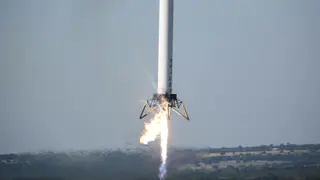
Three Starlink satellites are scheduled for atmospheric reentry between September 24 and 26, with decay windows spanning 540 to 1,380 minutes and ground tracks crossing southern latitudes. The constellation itself remains unchanged since September 21, holding at 11,154 units in orbit, of which 11,139 are operational. Separately, the retired booster B1049, which flew ten missions between 2018 and 2022, remains notable for its 4.72% fuel-efficiency edge over the fleet average.
The steady stream of conjunction alerts and reentry events reflects the operational reality of a megaconstellation at this scale. While none of the flagged approaches pose immediate danger, the two suspect probability entries highlight how data quality issues can complicate collision-avoidance decisions. As orbital traffic grows, automated screening systems will increasingly shape how operators coordinate, and the public may see more frequent reports of near-misses even when actual risk remains low. Reentry predictions, meanwhile, carry minor uncertainty for ground observers but pose negligible threat.