AI observatory planner helps catch supernovae at first flash
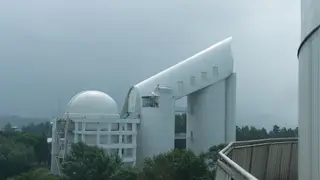
China's StarWhisper AI, developed by NAOC and Xinglong Observatory, now assists in planning and executing telescope observations to catch supernovae in their earliest stages. It integrates scientific priorities, weather data, and real-time telescope information to decide what to observe. Early supernova observations can reveal conditions before the explosion and how the blast develops.
StarWhisper marks a departure from conventional AI use in astronomy, where machine learning typically processes data after collection. Here, the system actively shapes observation strategy by weighing research priorities against live telescope conditions and weather forecasts, then translating those decisions into executable observation plans through telescope-control interfaces.
The development team tested the system in a virtual environment that mimicked telescope behavior and observation procedures before real deployment. In practice, StarWhisper identified eight supernova candidates from survey archives and issued alerts; two received follow-up observations when conditions allowed. The AI has since been integrated with the Sitian Pathfinder and Sitian pro instruments.
Wider adoption of AI-driven observation planning could change how astronomers allocate their time, shifting effort from operational tasks toward hypothesis development. Early supernova detection may become more routine, potentially yielding richer data on explosion mechanics and progenitor stars. For observatories worldwide, this approach could serve as a model for automation, though its reliability across different telescope systems and observing environments remains to be demonstrated.