FDA nominee backs vaccine and drug safety while avoiding direct criticism of president
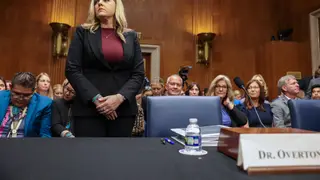
At her Senate confirmation hearing, Heidi Overton stated that the MMR vaccine and other CDC-recommended vaccines are safe, that mifepristone meets FDA standards, and that she has seen no evidence linking Tylenol to autism. She avoided directly answering whether President Trump could be wrong, saying he sets policy direction with advisors. Her statements contradict some of the president's previous claims about vaccines.
Overton’s testimony marks a notable shift from her 2023 written stance on mifepristone, when she called the drug “dangerous to women.” At the hearing, she deferred to FDA’s ongoing post-market review, declining to outline specific regulatory plans. Her comments on the MMR vaccine also acknowledged practical constraints: no commercial manufacturer currently produces separate measles, mumps, and rubella shots, meaning any schedule change would require years of development and approval.
The hearing follows Trump’s August executive order seeking to split the combined MMR vaccine into three doses, a move tied to his unsubstantiated claim that the vaccine can be “lethal.” Overton’s insistence on the combined shot’s safety and effectiveness directly contradicts that claim, yet she framed the president’s policy as offering an option for families who have avoided vaccination since COVID-19.
This confirmation hearing could shape public trust in federal health agencies, as Overton’s statements may reassure vaccine-hesitant parents while also signaling a cautious break from presidential rhetoric. If confirmed, her approach to mifepristone and vaccine schedules could influence FDA decisions affecting reproductive health access and childhood immunization rates. The outcome may also test how nominees balance scientific evidence against political loyalty, with potential ripple effects on future public health guidance and regulatory credibility.