The chemistry behind diesel's steep price increase
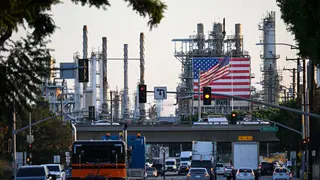
Diesel fuel prices in the U.S. have nearly doubled over the past year, affecting farmers and truckers. The increase is partly due to diesel's longer hydrocarbon chains, which make it more energy-efficient but require more intensive refining. Geopolitical factors also play a role, and experts expect prices to keep rising unless conflicts change.
Diesel's longer hydrocarbon chains provide roughly 20% more energy per unit than gasoline, but this efficiency comes with a refining penalty. Heavier crude sources, like Canadian tar sands or Venezuelan oil, contain sulfur and metals such as nickel and vanadium. Removing these contaminants requires a high-pressure, high-temperature process that also breaks down many useful molecules, lowering the yield per barrel compared to gasoline.
The price gap also reflects demand elasticity. Gasoline demand is somewhat flexible—consumers may cut discretionary trips. Diesel, however, is essential for freight and agriculture, making its demand inelastic. Consequently, when supply tightens due to geopolitical conflicts, such as the wars in Iran and Ukraine, diesel prices can surge far more sharply than gasoline, as producers cannot easily shift output or consumers cannot substitute.
Higher diesel prices could significantly strain the agricultural and trucking sectors, which rely on this fuel for daily operations. These increased costs may be passed down to consumers through higher food and retail prices. Additionally, rural communities and small businesses dependent on freight could face disproportionate economic pressure. While the impact is uncertain, sustained price increases could reshape logistics costs and household budgets, potentially slowing economic activity in sectors most sensitive to transportation expenses.