PC building's future: repurposed parts, premium builds, and patient tinkering
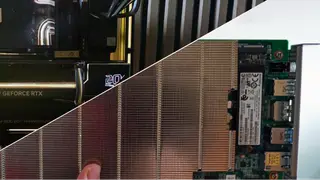
An analysis argues that despite current high prices and shortages, custom PC building still has a future through three paths: repurposing older or defective components, focusing on budget-friendly projects, and catering to ultra-premium enthusiasts. The article highlights AMD's BC-250 APU, originally designed for crypto mining, which can now be used for Linux-based gaming systems at lower cost. It suggests that with research and effort, PC building remains viable for those willing to adapt.
The BC-250 APU represents a notable shift in how discarded hardware can re-enter the consumer market. Originally built from defective or cut-down PlayStation 5 silicon and repurposed for crypto mining, the card now runs Linux-based gaming systems thanks to community-developed BIOS and driver work. It includes 16GB of shared GDDR6 memory, which bypasses current RAM price spikes entirely. Sourcing the card requires searching marketplaces like AliExpress or eBay, and users must flash the board and install drivers before gaming. Some samples even allow unlocking extra CPU cores and compute units.
This repurposing trend echoes earlier enthusiast eras, such as the early 2000s when AMD Athlon and Duron processors could be multiplier-unlocked with simple pencil tricks. The author suggests that as AI hardware development continues, more discarded components may find second lives through community tinkering, potentially aided by AI coding tools that simplify the reverse-engineering process.
This story could reshape how budget-conscious consumers approach PC gaming during periods of high component prices. If repurposed hardware becomes more accessible, it may democratize gaming for those priced out of traditional builds, while also reducing electronic waste. However, the technical skill required could limit adoption to dedicated hobbyists rather than mainstream users. The trend may also pressure manufacturers to consider modular designs that extend product lifespans, though such changes would likely take years to materialize across the industry.