Experimental mRNA Therapy Eradicates Pancreatic Tumors in Half of Mice
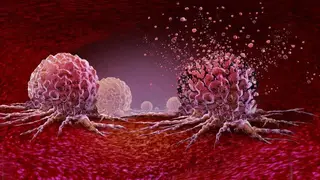
UMass Chan researchers developed an mRNA cocktail combining immune cytokines and tumor antigens that triggered complete tumor regression in about half of mice with pancreatic ductal adenocarcinoma. The mice remained disease-free for up to a year after treatment ended, a response described as unprecedented in these models. The team plans to pursue clinical testing of the approach.
The treatment builds on mRNA technology refined during COVID vaccine development, packaging genetic instructions that prompt cells to produce immune-stimulating proteins and tumor markers in one injection. Earlier cytokine-based therapies from the 1980s and 1990s triggered dangerous whole-body inflammation, whereas this approach concentrates immune activity at the tumor site. Pancreatic ductal adenocarcinoma's five-year survival rate remains grim—3 percent for stage IV—largely because tumors hide behind dense fibrotic tissue blocking immune cells.
The research team, led by Dr. Marcus Ruscetti and recent graduate Dr. Chaitanya Naimesh Parikh, published findings in Nature Communications. While mouse results don't guarantee human success, the durability of the response—tumors absent for a full year after treatment ended—distinguishes this from prior experimental approaches that showed initial promise but eventually relapsed.
Pancreatic cancer patients face one of the lowest survival rates among major cancers, so any therapy showing durable responses in preclinical models could eventually offer a new treatment avenue where immunotherapy has repeatedly failed. If clinical trials confirm these findings, the approach may benefit patients with limited options, though years of testing and regulatory review remain. The broader mRNA platform could also be adapted to other hard-to-treat tumors that create similar protective barriers.