Gallium nitride gains traction in data center power systems
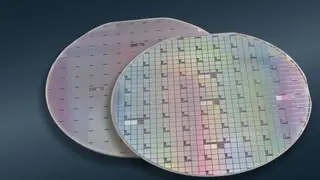
Data center operators are exploring gallium nitride as a more efficient alternative to traditional silicon-based power components. The material promises higher switching speeds and lower energy losses, which could reduce electricity consumption in large facilities. Adoption has been slow but is now accelerating as AI workloads drive up power demands.
Gallium nitride is emerging as a serious contender in power conversion hardware, where silicon has long been the standard. Its key advantages—faster switching and reduced energy loss—directly address the efficiency ceiling of conventional components. For data center operators, even modest efficiency gains translate into meaningful reductions in facility-wide electricity use, a growing concern as infrastructure scales up.
The technology has been on the radar for years, but practical adoption lagged due to cost and integration hurdles. That is now shifting. The surge in AI-related computing has sharply increased power consumption across large facilities, creating urgent pressure to find efficiency gains wherever possible. As a result, gallium nitride is moving from niche experimentation toward broader deployment in power systems.
This shift could have wide-reaching effects. Data center operators may see lower operating costs and reduced strain on local power grids, which could benefit surrounding communities through improved grid stability. Society at large may experience indirect gains if reduced energy demand helps temper the environmental footprint of the digital economy. However, the transition will take time, and early adopters may face higher upfront costs. The pace of change will likely depend on how quickly AI-driven power demands continue to escalate.