Sudan Conflict Shifts to Drone Strikes as Ground Battles Subside
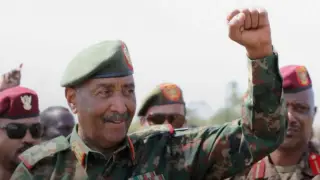
After recent army advances and a Rapid Support Forces retreat in North Kordofan, direct ground clashes have diminished, though skirmishes persist on several fronts. Both sides have escalated drone attacks, with the army reporting the downing of a hostile FH-95 drone and residents describing intensified strikes on government-held cities. UN figures indicate drone attacks by both sides killed over 1,000 civilians in the first half of the year.
The recent lull in ground combat follows significant territorial shifts in North Kordofan, where army forces secured Bara and opened a supply corridor from Omdurman through White Nile state. However, their westward advance stalled at Umm Sumaymah after a counterattack, and troops later withdrew from Sodari and Mazrub, allowing the RSF to reclaim the strategic town. In Blue Nile state, the army held its lines while the RSF retained control of Kurmuk and Geissan.
Drone strikes have become the conflict's dominant tactic, with the army reporting the downing of an FH-95 drone and residents describing intensified attacks on government-held cities. The September strikes on a courthouse in Umm Rawaba and a college in El Obeid killed at least a dozen people, destroyed lecture halls, and wounded civilians who had already fled earlier fighting. UN figures attribute over 1,000 civilian deaths to drone attacks in the first half of the year.
The escalation of drone warfare could reshape civilian life across Sudan's front-line states, as attacks now reach courthouses, universities, and hospitals far from traditional battlefields. Students, medical workers, and displaced families may face prolonged disruption to education and public services, deepening their sense of insecurity. The rising civilian toll could further erode trust in both warring parties and potentially accelerate displacement, as residents flee cities they no longer consider safe from aerial strikes.