Assad-Era Convictions Haunt Returning Syrians
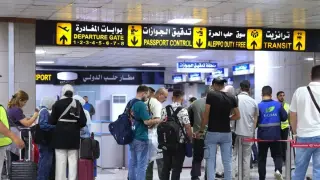
Despite the repeal of exceptional laws and the abolition of terrorism courts, many Syrians still face unresolved criminal cases and travel bans issued under the former government. The Interior Ministry canceled travel-ban notices affecting over eight million people, but rights advocates say implementation lags behind legislative change. Justice Minister Mazhar al-Wais's decree excluded serious felonies, leaving those prosecutions under military judiciary review.
The March 2025 Interior Ministry directive lifted travel restrictions tied to arrest warrants, reporting obligations, and conscription violations, affecting more than eight million people. The December decree from Justice Minister al-Wais dismantled the terrorism court system and removed its judges, though the repeal explicitly excluded homicide cases and organized crimes such as drug trafficking, which now fall under military judiciary review.
Assembly member Aqil Hussein argues broader legislation is needed to nullify all exceptional security decisions and their consequences. Security sources acknowledge criminal charges were used as political pressure tools, but say these cases are harder to resolve due to technical complications, lost files, and civil claims from individuals. Returnees often discover active proceedings only at border crossings.
The gap between legislative reform and administrative reality could leave hundreds of thousands of Syrians in legal limbo, affecting their ability to travel, work, or reclaim property. Returning refugees may face unexpected detention or bureaucratic dead ends, while those with legitimate criminal complaints may struggle to navigate a system still adapting. The military judiciary's role in reviewing excluded felonies could raise due process concerns, potentially undermining public confidence in transitional justice efforts.