Egypt Pledges Support for Iraq's Stability in Cairo Talks
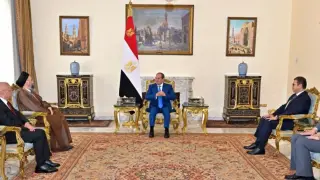
Egyptian President Abdel Fattah al-Sisi met with Ammar al-Hakim, head of Iraq's Hikma Movement, in Cairo and reaffirmed Egypt's backing for Iraq's sovereignty and territorial integrity. The talks covered Iraq's anti-corruption efforts and bringing weapons under state control, as well as regional tensions. Al-Hakim praised Egypt's central role in regional security and sought Sisi's views on easing current crises.
The Cairo meeting reflects a steady deepening of Egyptian-Iraqi ties since Sisi's landmark 2021 Baghdad visit, the first by an Egyptian president in decades. That trip launched a trilateral political, economic, and security framework with Jordan, and subsequent exchanges have included intelligence briefings, ministerial talks on energy and reconstruction, and technical cooperation on water resources. The presence of Egypt's intelligence chief at Thursday's session underscores the security dimension of the relationship.
Regional instability frames these discussions. Both governments face pressures from armed groups operating beyond state control, and Cairo has positioned itself as a stabilizing voice in Arab affairs. The Palestinian file remains central to Egyptian diplomacy, with Sisi reiterating support for a two-state solution and ongoing humanitarian efforts in Gaza. Iraq's role in collective Arab security was also highlighted, suggesting Cairo views Baghdad as a key partner in managing broader regional tensions.
This meeting may signal closer security coordination between Egypt and Iraq, potentially affecting how both nations respond to regional instability. For Iraqi citizens, stronger Egyptian backing could lend weight to government efforts to consolidate state authority and curb militia influence. For Egypt, engagement with Iraqi political factions may enhance its regional diplomatic standing. However, tangible outcomes depend on whether these pledges translate into concrete cooperation, and broader societal impact will likely remain limited unless accompanied by visible economic or security improvements on the ground.