NACAC Briefs Congress on Higher Education Policy Effects
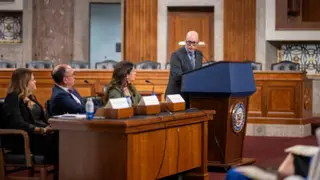
In a Sept. 17 Capitol Hill briefing, NACAC leaders and members discussed how federal decisions affect students' access to postsecondary education and the workforce. CEO Angel B. Pérez moderated a panel with counselors and admissions officials. They urged lawmakers to consider policies that support counselors and affordability.
The Sept. 17 briefing brought NACAC’s leadership and school-based practitioners directly to Capitol Hill, with CEO Angel B. Pérez moderating a panel that included a high school counselor and two university admissions officials. Their testimony centered on how federal funding and regulatory choices shape student access, from counselor availability to college affordability. NACAC’s own research was cited, showing 17 percent of U.S. high schools lack any school or college counselor, while many existing counselors manage caseloads of 500 to 700 students. Panelists also called for full Pell Grant funding, sustained support for TRIO and GEAR UP, and targeted aid for minority-serving institutions, arguing these investments are essential to meeting workforce demands and broadening opportunity.
This briefing signals that education policy decisions in Washington directly affect students’ pathways to college and careers, particularly for low-income and first-generation learners. If lawmakers act on the panel’s recommendations—such as boosting counselor funding or closing Pell Grant shortfalls—more students could receive individualized guidance and financial support, potentially improving graduation rates and workforce readiness. Conversely, inaction may widen existing gaps, leaving under-resourced schools and families to bear the burden. The impact would ripple through communities, employers, and the broader economy, making these policy choices consequential for social mobility and national competitiveness.