Late-Season Pests and Diseases Hit California Vegetable Fields
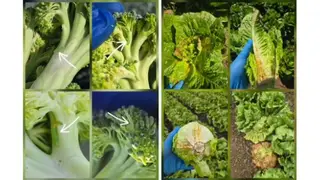
Growers in California's Salinas and Santa Maria Valleys are dealing with end-of-season pest and disease pressures affecting crop quality and yields. Cole crops such as broccoli and cauliflower face pest infestations, while lettuce crops are experiencing virus and disease issues. Field-packed items carry the highest risk of pest presence, including diamondback moth larvae.
The Salinas and Santa Maria Valleys are experiencing compounding end-of-season pressures across multiple crop categories. Cole crops including broccoli, cauliflower, Brussels sprouts, and cabbage face significant pest pressure, while lettuce varieties—iceberg, romaine, and tender leaf—are battling virus and disease issues. Field-packed items present the highest pest risk, with diamondback moth larvae and pupae hiding beneath broccoli and cauliflower florets. Value-added products benefit from washing steps that reduce some pest presence.
Growers are responding with proactive treatments, additional field-to-finished-product checkpoints, and continuous shelf-life monitoring. Many are harvesting before target maturity to limit disease spread and yield loss. Sorting and trimming help detect problems, but case weights and yields are affected valley-wide. Suppliers will likely struggle to deliver consistent quality through the remainder of the season, making quick-turn ordering and cold chain maintenance essential.
This late-season crop stress could ripple through fresh produce markets as supplies tighten. Retailers and foodservice buyers may face higher prices or inconsistent quality for broccoli, cauliflower, and lettuce in coming weeks. Consumers could notice shorter shelf life or occasional pest presence in field-packed items, potentially affecting household food budgets and waste. Restaurants relying on consistent salad ingredients may need menu adjustments. While regional, these disruptions arrive as growing seasons wind down, limiting alternative domestic supply options.