Misinformation and social media stoke rural opposition to solar farms
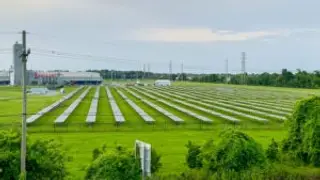
In Iberia Parish, Louisiana, residents campaigned against a utility-scale solar project, citing fears of toxic smoke, cancer, and property devaluation that experts say are largely unfounded. The opposition led to a local ordinance requiring solar projects to be set back half a mile. Social media and AI-generated content have amplified these concerns, complicating renewable energy development.
The Iberia Parish ordinance mandating a half-mile setback effectively halted the Acadiana Solar project, which had promised significant local tax revenue for the rural community. One landowner, Andree McAnally, had planned to lease family farmland for the project to help cover expenses after her husband's death from COVID in 2021. McAnally initially believed the cancer fears herself before researching the issue and changing her position, later telling council members the opposition was "fueled by misinformation."
The article notes that social media and AI-generated content have amplified unfounded concerns about solar panel safety, including claims about toxic smoke, chemical leaching, and property devaluation. Experts now find themselves defending against this misinformation, which has become a primary obstacle to utility-scale solar development in rural areas across the country.
This story illustrates how misinformation circulating through social media could significantly slow renewable energy adoption in rural America. Communities that might benefit from solar projects—through tax revenue, land leases, and clean energy jobs—may instead reject them based on unfounded fears. The broader impact could include delayed climate goals, reduced economic opportunities for rural landowners, and deepening urban-rural divides over energy policy. However, the outcome also reflects legitimate community concerns about local control and land use decisions, suggesting developers may need stronger engagement strategies.