Methane cuts offer fastest near-term climate relief, says coalition CEO
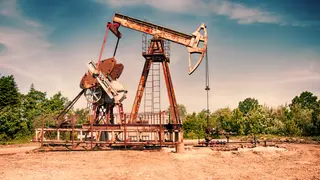
Maria Mendiluce argues that reducing methane from fossil-fuel operations is a critical complement to electrification, as superpollutants cause nearly half of current warming. She cites recent extreme weather events like wildfires and floods to underscore the urgency. The piece calls for company action, investment, and policies to scale proven methane reduction solutions.
Methane's atmospheric lifespan is roughly twelve years, unlike carbon dioxide which persists for centuries. This short cycle means emissions reductions produce measurable cooling effects within decades, making methane abatement one of the few climate interventions with visible near-term results. The UN has described cutting methane as the fastest available brake on planetary warming.
Fossil-fuel operations contribute approximately one-third of human-caused methane emissions globally. Existing technologies could eliminate around 70 percent of these releases, yet deployment remains limited. The current energy system also wastes nearly two-thirds of its primary energy, costing over $4 trillion annually, highlighting inefficiencies that methane capture could partially address while electrification proceeds.
Widespread methane reduction could meaningfully slow near-term warming, potentially easing extreme weather impacts that increasingly disrupt communities, supply chains, and public health systems. Businesses face regulatory and reputational pressure to act, while policymakers may weigh enforcement costs against long-term savings. Success depends on sustained investment and international coordination, but even partial adoption could deliver measurable climate relief within two decades.