New tiger cat species discovered in Bolivia after genetic analysis
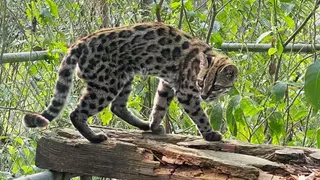
Genetic analysis of two small tiger cats from Bolivia has identified a new species, Leopardus tilcayo, the first new living cat species described in over a century. The cats weigh about two kilograms and inhabit the Yungas forests of the central Andes. Researchers analyzed 38 Leopardus specimens and found five distinct tiger cat species, including this previously unknown one.
The discovery emerged from a broader genetic survey of the Leopardus genus, which includes ocelots alongside smaller tiger cats. Researchers examined 38 specimens expecting two to four distinct species, but the data revealed five, with L. tilcayo previously unrecognized.
The two known individuals include a female treated at a Bolivian sanctuary and later released, and a male named Tigrino, roughly ten years old, who spent a year as a house pet before arriving at the sanctuary. Conservationist Paola Nogales-Ascarrunz noticed Tigrino's unusual appearance and initiated the genetic testing that led to the classification.
The identification of a new cat species may reshape conservation priorities in the Andean region, as researchers will need to assess L. tilcayo's population size and habitat needs. Wildlife managers and policymakers could use this finding to justify expanded protections for the Yungas forests, while the discovery may also draw public attention to lesser-known small cats often overshadowed by larger felines. Scientists studying biodiversity may find the work a reminder that genetic analysis can uncover hidden diversity even among familiar animal groups.