Democratic leaders file lawsuit to prevent federal agents from being deployed at polling places
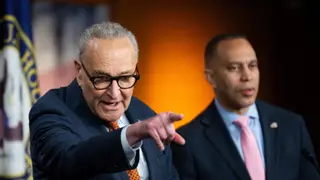
Senate Minority Leader Chuck Schumer and House Minority Leader Hakeem Jeffries, along with Democratic campaign groups, filed a federal lawsuit to stop the Trump administration from sending armed agents to polling sites. The complaint argues such actions would intimidate voters and violate federal law. It cites recent statements from administration officials suggesting they have authority to do so.
The lawsuit, filed in Washington, D.C., names top Democratic leaders and party committees as plaintiffs. It points to public remarks by Homeland Security Secretary Markwayne Mullin, border czar Tom Homan, and Attorney General Todd Blanche suggesting federal agents could legally operate at polling sites. FBI Director Kash Patel also declined to rule out such deployments during a Senate hearing. The complaint further notes that the Justice Department removed an election-interference manual from its website and has delayed releasing related records through a Freedom of Information request, with more than 10,000 documents still withheld.
The legal challenge rests on the constitutional division of election authority between states and Congress. Democrats argue that armed federal presence would deter lawful voters, particularly in communities already wary of immigration enforcement. The administration has framed such actions as election-integrity measures, while the plaintiffs see them as an unlawful power grab. The case adds to a broader pattern of litigation over federal election oversight ahead of November.
This lawsuit could shape voter confidence and turnout, especially among minority and immigrant communities who may perceive armed federal agents as a threat. If courts allow such deployments, it may normalize federal presence at polling places, potentially altering the voting experience nationwide. Conversely, a ruling against the administration could reinforce legal limits on executive power over elections. The outcome may also influence public trust in electoral integrity, with both sides claiming vindication regardless of the decision.