Analyst cautions against allowing Chinese EVs into U.S. market
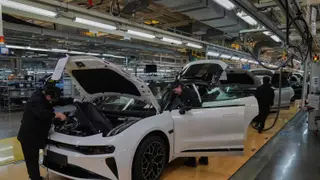
Car industry analyst Michael Dunne warns that permitting Chinese electric vehicles to be sold in the U.S. would overwhelm domestic automakers due to their competitive advantages. He advises President Trump against following through on such a move. The discussion centers on trade policy and its implications for the EV industry.
The report centers on a warning from Michael Dunne, a former U.S. auto executive and longtime observer of China’s car industry, who argues that Chinese electric vehicles hold decisive cost and technology advantages. His comments come amid ongoing debate over trade barriers, with the Trump administration weighing whether to allow Chinese EV imports. The broader context involves escalating U.S.-China tensions over clean energy supply chains, domestic manufacturing jobs, and the strategic importance of the EV transition. Dunne’s perspective reflects concerns that American automakers, still scaling up EV production, could lose market share rapidly if Chinese models—often priced lower and packed with advanced features—enter without steep tariffs or quotas.
If policymakers heed this warning, U.S. consumers may face fewer affordable EV options, potentially slowing adoption and climate progress. Domestic automakers and workers could benefit from continued protection, but that may also reduce competitive pressure to innovate. Conversely, opening the market could lower prices and accelerate electrification, yet risk job losses and industry consolidation. The decision likely affects not only car buyers and manufacturers but also broader trade relations and the pace of decarbonization, with ripple effects across supply chains and regional economies.