European Battery Recycling Projected to Rise, Yet Recovery of Key Metals May Fall Short
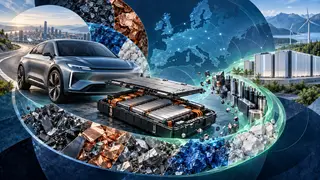
A modeling study of light-duty electric and plug-in hybrid vehicles across Europe through 2045 examines how adoption rates, battery lifetimes, second-hand trade, chemistry shifts, and recycling efficiency affect recoverable lithium, cobalt, nickel, and manganese. The authors anticipate a significant increase in recovered materials starting in the late 2020s, but meeting recycled-content targets—especially for cobalt—will be challenging. Reuse of batteries for second-life applications could cut cumulative recyclable material by roughly 20–25% over the period.
The study projects a notable uptick in recovered battery materials across Europe beginning in the late 2020s, driven by growing adoption of electric and plug-in hybrid vehicles. However, the modeling suggests that even with improved recycling efficiency, the volume of key metals—particularly cobalt—may not satisfy future recycled-content requirements. This gap reflects the complex interplay of several variables, including how long batteries remain in vehicles, whether they are traded second-hand, and how battery chemistry evolves over time.
A significant factor is the diversion of used batteries into second-life applications, such as stationary energy storage. The analysis indicates this practice could reduce the total mass of recyclable material by roughly one-fifth to one-quarter across the study period, as batteries are repurposed before eventually reaching recycling streams.
This research could influence how automakers, recyclers, and policymakers plan for resource security in the coming decades. If recycled cobalt falls short of targets, manufacturers may face higher costs or supply constraints, potentially affecting electric vehicle prices. Second-life battery markets could also reshape waste flows, creating new economic opportunities while delaying material recovery. The findings may prompt closer coordination between battery design, reuse programs, and recycling infrastructure.