ECG Smartwatch vs Optical Heart Rate Monitor: Key Differences Explained
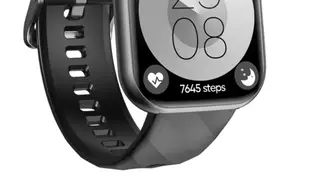
ECG smartwatches record the heart's electrical signals via electrodes, while optical monitors estimate pulse from blood volume changes under the skin. The two technologies serve different purposes: ECG provides rhythm information but often requires active recording, whereas optical sensors enable continuous heart-rate tracking. Neither is a substitute for medical equipment.
The article clarifies that these two sensing methods answer different questions about cardiac function. ECG captures the electrical signature of each beat, which is why it can reveal rhythm patterns, while optical sensing tracks the mechanical effect of blood pulsing through vessels. Many modern wearables integrate both, letting users switch between passive rate tracking and active rhythm recording depending on their needs.
Neither technology approaches clinical standards. Multi-lead hospital ECGs capture far more electrical data than a two-point wrist measurement, and optical sensors remain estimates subject to skin tone, fit, and motion artifacts. Consumers should understand that these features are wellness tools, not diagnostic instruments.
This distinction could meaningfully shape how consumers interpret wearable health data. People managing arrhythmias or recovering from cardiac events may rely on these devices for early warnings, but the limitations could also create false reassurance or unnecessary alarm. As wearables become more common in everyday health tracking, clearer public understanding of what each sensor can and cannot do may help users make more informed decisions about when to seek professional medical advice.