Hurricane evacuations often skip jails, leaving inmates in peril
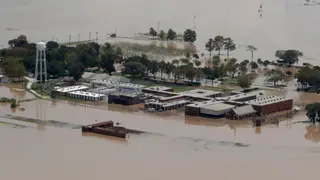
During recent hurricanes, many jails in evacuation zones did not move incarcerated people, citing a lack of buses, secure space, or clear protocols. Inmates have faced flooded cells, power outages, and no way to contact loved ones. Researchers urge governments to develop comprehensive disaster plans that include correctional facilities.
During Hurricane Milton in 2024, Florida counties issued mandatory evacuation orders, yet several local jails kept incarcerated individuals on site. Similar situations unfolded during Hurricane Helene in North Carolina and Hurricane Harvey in Texas, revealing a recurring pattern across multiple disaster events.
Researcher Maggie León-Corwin notes that no standardized national protocol exists for evacuating correctional facilities. Many jails lack sufficient transportation, and nearby secure locations often cannot accommodate transferred inmates. Those left behind have experienced flooded cells, no running water, extended power outages, and no way to contact family. León-Corwin emphasizes that governments must develop comprehensive disaster procedures that include incarcerated populations, particularly as climate change intensifies extreme weather.
This story could affect incarcerated individuals, their families, and correctional staff during future storms. Without clear evacuation protocols, jails in vulnerable coastal and inland flood zones may continue leaving people in hazardous conditions during hurricanes. The issue may also pressure state and local governments to allocate resources for secure transport and alternative housing, potentially reshaping emergency management budgets and disaster planning priorities. As climate-related weather events become more frequent, the question of how to protect all residents, including those behind bars, could gain greater public attention.