Independent Senate hopefuls rally on Capitol Hill, vow to break two-party grip
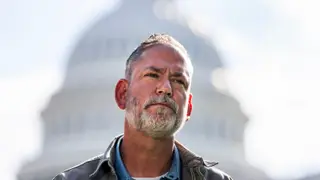
Independent Senate candidate Dan Osborn and two other independents came to Washington to urge Congress to regulate AI and data centers, while also making the case that they can succeed outside the two-party system. Osborn, who lost a close race in Nebraska in 2024, said he would caucus with all parties if elected. He criticized hyperpartisanship for blocking action.
The three candidates—Osborn, a mechanic and union leader; Bengs, a former Democratic nominee; and Hill—gathered during the Independent National Convention. Their primary legislative push centered on stricter oversight of artificial intelligence and data centers, which they framed as a pressing national concern. Osborn's 2024 Senate race against Deb Fischer ended in a 7-point loss, a surprisingly narrow margin that drew heavy national spending.
Now challenging Pete Ricketts, Osborn argues his potential vote would carry significant leverage, citing a recent bill passed by a vice-presidential tie-breaker. Bengs, who ran as a Democrat in 2022, has proposed forming a new independent caucus with Osborn, rather than aligning with either major party. This contrasts with current independents like King and Sanders, who caucus with Democrats.
If successful, these independent bids could reshape voter expectations about party loyalty, offering a model for candidates who reject rigid partisan alignment. Their focus on AI and data center regulation may pressure major parties to address these issues more seriously. However, the practical impact hinges on whether they can secure committee assignments and legislative influence without a formal caucus, potentially affecting how effectively they can deliver on campaign promises to constituents.