Magnetotactic bacteria boost worm lifespan by blocking ferroptosis
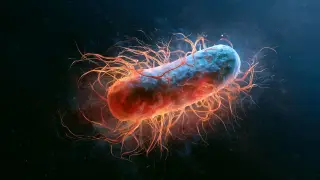
Researchers fed a magnet-producing bacterium to C. elegans worms and observed a 43% increase in average lifespan. The treatment also preserved neurological and intestinal function in older worms. The effect was traced to suppression of ferroptosis, a cell-death process linked to iron and oxidative stress.
The study compared three bacterial variants to isolate the mechanism behind the longevity effect. Wild-type AMB-1, which produces magnetosomes, extended average worm lifespan by 43.39%, while a reversibly non-magnetotactic strain showed weaker benefits and a fully non-magnetotactic strain produced no lifespan extension at all. This suggests the magnetosome structures themselves are central to the observed effect.
The protective action appears tied to ferroptosis suppression. AMB-1 reduced iron accumulation and lipid peroxidation in the worms, and genetic analysis implicated specific ferroptosis-related genes including ftn-1, bli-3, and ads-1. Published in Free Radical Biology and Medicine, the work positions magnetotactic bacteria as a novel microbial strategy for anti-aging intervention, with potential relevance to geriatric medicine.
These findings could eventually inform anti-aging approaches in humans, though C. elegans is far simpler than mammalian systems. If the ferroptosis-suppressing mechanism translates, it may open new avenues for addressing age-related neurological and intestinal decline. However, substantial research remains before any clinical application, and the bacterial approach would require careful safety evaluation. The work may also spur broader interest in microbial interventions for healthy aging, potentially influencing how researchers think about gut-microbe interactions and longevity.