Miami Court Takes Up Case of 18 Extradited in Haiti Slaying
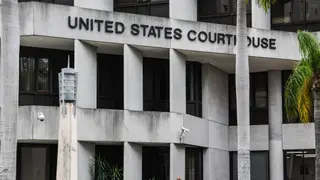
Eighteen suspects, including 17 Colombian ex-soldiers and a former Haitian anti-corruption official, were flown to Miami to face charges in the 2021 assassination of President Jovenel Moïse. FBI and Homeland Security agents accompanied the group on a military aircraft, with a court hearing held the following day. The extradition brings the total number of charged individuals to 30.
The transfer shifts the case's venue from Haiti's stalled judicial system to U.S. federal court. The military aircraft transport, with FBI Hostage Rescue Team members aboard, reflects security concerns about gang activity near Port-au-Prince's airport. Among the newly arrived defendants, Christian Emmanuel Sanon was already facing trial separately the following week.
Colombian authorities said they were monitoring the transfer but played no role in the decision, made jointly by Haitian and U.S. officials. U.S. jurisdiction stems from allegations the conspiracy was planned and financed through South Florida security firms. Colombian ex-soldiers have testified they were coerced into signing documents they couldn't understand, though this claim remains unverified.
This extradition could reshape how international assassination cases are prosecuted, potentially establishing U.S. courts as a venue for justice when local systems falter. Victims' families and Haitian citizens may view the move as progress, while Colombian defendants' coercion claims could raise questions about fair treatment. The case may also affect U.S.-Haiti relations and set precedent for future extraditions involving politically charged crimes.